
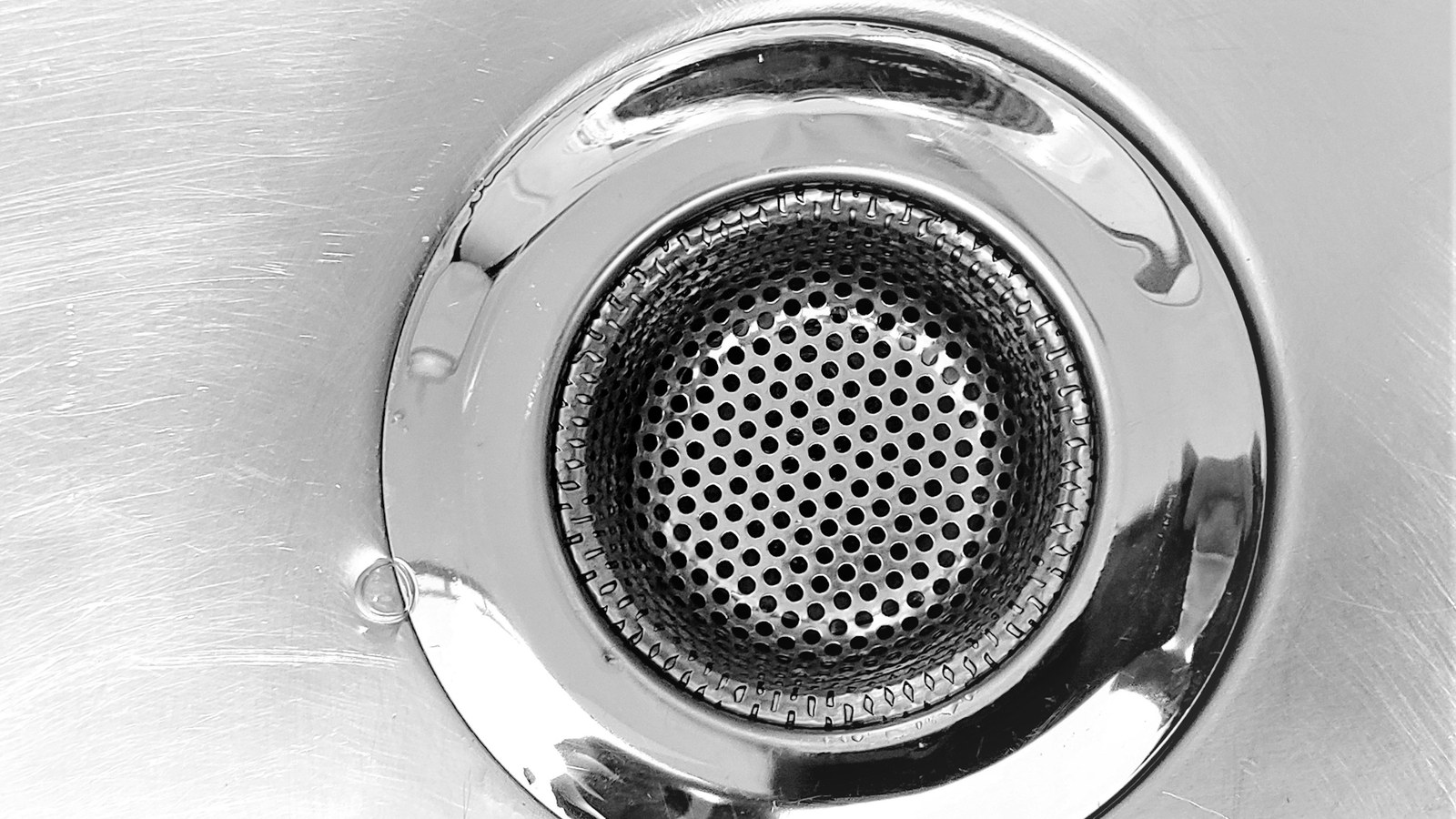
Stoney’s Plumbing · Drain Cleaning Guide
A drain rarely clogs without warning. The kitchen sink empties a little slower each week, the shower leaves a puddle around your feet, the toilet needs a second flush, or a gurgle comes from the tub when the washing machine drains. Those small signs tell you where the problem is and how far it has spread, if you know how to read them. This guide covers drain cleaning in Leesburg, VA from the first slow sink to a main line backup: how a home drain system works, what usually causes clogs in each room, how to tell a single-fixture clog from a main line problem, how snaking, hydro jetting, and camera inspections compare, what changes for homes on septic systems, and how older downtown houses and tree-lined neighborhoods affect drain lines. You will also find educational cost ranges, prevention habits, and guidance on what to leave to a licensed plumber. Stoney’s Plumbing is a veteran-owned residential plumber based at 574 Rockbridge Dr SE, Leesburg, VA 20175.
When do you need professional drain cleaning in Leesburg, VA?
Call for professional drain cleaning when a clog comes back after plunging, when more than one fixture is slow or backing up at once, when water rises in a tub or floor drain as other fixtures run, when you hear gurgling from drains or toilets, or when sewage odor appears. One slow sink is often a local clog. Several slow drains usually point to the main line, which needs proper equipment and should not wait.
The cost and timing figures on this page are educational ranges based on typical residential drain work, not quotes and not a price list from Stoney’s Plumbing. The location of the clog, the pipe material, access to a cleanout, and what is causing the blockage decide what a specific drain cleaning involves.
Local context: Mature trees, older cast iron and clay lines near downtown, and basements with floor drains all shape how drain problems show up in Leesburg homes. If a drain issue is part of a wider list of symptoms, the guide to common leaks, drains, toilets, and pressure problems in Leesburg is a good starting point. Call (703) 794-5592 or view Stoney’s Plumbing on Google Maps.
How a Home Drain System Works
Quick answer: Every fixture drains through a trap into branch lines, which join larger drain stacks and then the main building drain. The main drain leaves the house as the sewer lateral and connects to the public sewer or a septic tank. Vents through the roof let air in so water flows freely. A clog anywhere in that chain shows up at the fixtures upstream of it.
Drain systems work by gravity. Unlike supply pipes, which are under pressure, drain lines rely on a steady downhill slope to carry water and waste away. That is why drain problems behave differently from leaks: water does not spray out of a clogged drain; it slows, backs up, and finds the lowest open fixture.
| Part of the system | What it does | Common problems |
|---|---|---|
| Fixture trap (P-trap) | Holds a water seal that blocks sewer gas | Hair, grease, small objects; dry traps let odor in |
| Branch drain | Carries water from one or a few fixtures to a stack | Grease in kitchen branches, hair and soap in bath branches |
| Drain stack | Vertical pipe collecting from several branches | Buildup in older cast iron, joint problems |
| Vent pipes | Admit air so drains flow without siphoning traps | Blocked by debris, nests, or ice, causing gurgling and slow drains |
| Main building drain | Collects everything under or through the lowest floor | Wipes, grease, scale, belly sags |
| Cleanout | Capped access point for clearing the main | Missing, buried, or painted shut |
| Sewer lateral | Carries waste from the house to the public sewer or septic tank | Tree roots, offset joints, cracked or collapsed pipe |
The layout of your system tells you a lot. In most houses, the lowest fixtures, such as a basement floor drain, a basement shower, or a first-floor tub, are the first to show a main line backup, because water rises to the lowest opening first. A sink upstairs that drains slowly while everything else is fine almost always has a clog in its own trap or branch.
Vents are the part homeowners forget. If a vent is blocked, drains can gurgle, toilets can bubble, and traps can be siphoned dry, letting sewer odor into the house. Those symptoms can look like a clog even when the drain pipe itself is clear.
Drain Warning Signs and What They Usually Mean
Quick answer: A single slow fixture usually means a local clog. Several slow fixtures, water backing up into a tub or floor drain, gurgling when other fixtures run, and sewage odor point to the main line or venting. Water or sewage coming up from a floor drain means stop using water and call a plumber.
| What you notice | Most likely location | How soon to act |
|---|---|---|
| One sink drains slowly | That fixture’s trap or branch | Soon; try a plunger or clean the stopper first |
| Shower and bathroom sink both slow | Shared bathroom branch | Soon |
| Toilet clogs repeatedly | Toilet trapway or the line beyond it | Soon, sooner if other fixtures are affected |
| Tub gurgles when the toilet flushes | Main line or vent | Promptly |
| Water rises in tub or floor drain when the washer drains | Main building drain or lateral | Now; limit water use |
| Sewage odor indoors | Dry trap, failed seal, vent problem, or main line | Promptly |
| Sewage coming up from a floor drain | Main line or lateral blockage | Now; stop all water use |
| Soggy patch in the yard over the sewer line | Broken or blocked lateral | Promptly |
Timing patterns help too. A drain that slows over weeks is usually buildup, such as grease, hair, or scale. A drain that stops suddenly often has a foreign object, a wad of wipes, or a root mass that finally closed the pipe. A backup that only happens during heavy rain may involve groundwater or storm water getting into the sewer system, which is a different conversation from a simple clog.
Stop rule: If sewage is coming up anywhere in the house, stop running water, stop flushing, and keep people and pets away from the area. Every gallon you send down the drain has to go somewhere, and the lowest fixture is where it will appear.
What Causes Drain Clogs, Room by Room
Quick answer: Kitchens clog with grease, food scraps, and coffee grounds. Bathrooms clog with hair, soap, and toothpaste. Toilets clog with wipes, paper towels, and hygiene products. Laundry drains clog with lint. Main lines clog with all of those plus tree roots and pipe defects.
Each room has its own typical culprit, which is why the location of a clog tells a plumber what tool to bring and what to look for.
Kitchen sinks: grease and food
What happens. Fats, oils, and grease go down warm and liquid, cool in the pipe, and stick to the walls. Food particles and coffee grounds catch on that layer, and the opening narrows a little more each week.
Why it matters. Garbage disposals grind food but do not remove grease. Loudoun Water’s guidance on what to keep out of your drain notes that running hot water with grease only pushes it further down the pipes and that dishwashers do not remove grease either.
Bathroom sinks and showers: hair and soap
What happens. Hair tangles on the stopper linkage and in the trap, and soap scum and toothpaste bind it into a mat. Mineral-rich water adds scale to the mix.
Why it matters. These clogs are usually close to the fixture and often clear with a hand tool or by cleaning the stopper. If they keep coming back quickly, the branch line beyond the trap may be narrowed with buildup.
Toilets: wipes and paper products
What happens. Toilets are designed for human waste and toilet paper. Wipes marketed as flushable, paper towels, cotton products, dental floss, and hygiene products do not break down the same way and catch in the trapway or further down the line.
Why it matters. Loudoun Water notes that so-called flushable wipes do not break down like toilet paper and can combine with grease to form large sewer blockages. A toilet that clogs over and over with normal use may also have a partial blockage in the main line.
Laundry: lint and detergent
What happens. Washing machines pump a lot of water quickly, carrying lint, fibers, and sometimes small items. Laundry standpipes and laundry sinks can clog, and the surge can reveal a partial blockage further down.
Why it matters. If water rises in a nearby floor drain or tub when the washer empties, the problem is usually downstream in the main drain, not the laundry line itself.
Main lines: roots, buildup, and pipe defects
What happens. Tree roots find the moisture at joints in clay and older pipe, grow inside, and catch everything that passes. Cast iron develops internal scale and corrosion that narrows the pipe. Sections can sag (a “belly”) where waste settles, or joints can shift out of alignment.
Why it matters. These problems come back after cleaning because the cause is structural. A camera inspection after clearing shows whether the line needs only periodic maintenance or a repair. Stoney’s Plumbing has published a Leesburg sewer backup and drain cleaning study with more local context on main line problems.
Many clogs combine causes. A kitchen line narrowed by grease catches food it would otherwise pass. A main line with a small root intrusion snags wipes that would otherwise slip through. Fixing the clog clears today’s problem; fixing the cause keeps it from coming back.
One Slow Drain or Many? Locating the Clog
Quick answer: If only one fixture is slow, the clog is in that fixture’s trap or branch. If every fixture in one bathroom is slow, look at the shared branch. If fixtures on the lowest level back up when fixtures above them run, the main line is the likely location. That pattern decides whether a quick fixture clearing or a main line cleaning is needed.
Before any tool goes into a drain, a few minutes of observation saves time and money. You can do most of this yourself.
The fixture test
Run water in the slow fixture and watch the others nearby. If nothing else reacts, the clog is local. If the tub gurgles or the toilet bowl level moves while the sink drains, the fixtures share a partially blocked line.
The lowest-fixture test
Flush an upstairs toilet or run the washing machine and watch the lowest drain in the house, usually a basement floor drain, a basement shower, or a first-floor tub. Water rising there means the main building drain or the lateral is restricted.
The outdoor check
Find the main cleanout, often a capped pipe a few inches above the ground near the foundation or a cap in the basement floor or wall. If you can safely see that the cleanout area or the yard above the sewer line is wet or smells of sewage, the problem may be in the lateral outside the house. Do not open a cleanout cap during a backup; the line may be full and under pressure from the water behind the clog.
| Pattern | Likely location | Typical approach |
|---|---|---|
| One fixture only | Trap or fixture branch | Plunger, trap cleaning, hand auger |
| All fixtures in one bathroom | Shared bath branch | Small or medium cable machine through a fixture or cleanout |
| Kitchen and laundry both slow | Shared line on the kitchen side | Cable machine, possibly jetting for grease |
| Lowest fixtures back up when others run | Main building drain or lateral | Main line cable through a cleanout, camera inspection |
| Gurgling with no slow drains | Vent or partial main line restriction | Vent check and main line evaluation |
Write down what you see before you call: which fixtures are slow, which back up, and when it started. A plumber who knows that the basement shower fills when the washer drains will start at the main cleanout instead of the kitchen sink, which shortens the visit.
Drain Cleaning Methods Compared
Quick answer: Plungers and hand augers handle most single-fixture clogs. Powered cable machines (drain snakes) clear main lines and tougher branch clogs, including roots. Hydro jetting scours grease, scale, and root fragments from pipe walls. Camera inspections show what caused the clog and whether the pipe is damaged. Chemical drain openers are a poor choice for most clogs.
| Method | Best for | Limits |
|---|---|---|
| Cup or flange plunger | Sink, tub, and toilet clogs near the fixture | Will not reach deep clogs; needs a good seal |
| Hand auger or closet auger | Hair clogs, toilet trapway obstructions | Short reach; can scratch porcelain if misused |
| Powered cable machine | Branch and main line clogs, root intrusions | Opens a path but may leave buildup on pipe walls |
| Hydro jetting | Grease, scale, sludge, root fragments, recurring clogs | Needs a pipe in sound condition and proper access |
| Camera inspection | Finding the cause, checking pipe condition, locating defects | Diagnostic, not a cleaning method; needs flow restored first |
| Enzyme or bacterial maintenance products | Slowing organic buildup between cleanings | Slow; will not clear an existing clog |
| Chemical drain openers | Rarely a good option | Can damage pipes and finishes, hazardous to handle, often fail on solid clogs |
The right method depends on where the clog is and what it is made of. A hair clog two feet into a bathroom sink line does not need a large machine. A grease-lined kitchen line that clogs every few months often needs more than a cable can do. A root intrusion in a clay lateral needs a cable with a root cutter to open the line, and then a camera to decide what happens next.
For a broader comparison of drain work alongside water heater, leak, and sewer services, see the side-by-side guide to common plumbing services for Leesburg homes.
Snaking vs. Hydro Jetting: Which Fits Your Line?
Quick answer: Snaking (cabling) punches through a clog and is the standard first step for most blockages. Hydro jetting uses high-pressure water to clean the full pipe wall and suits grease, scale, sludge, and recurring clogs. Jetting is not right for every pipe; badly deteriorated cast iron, clay with major defects, or pipe of unknown condition should be checked with a camera first.
How snaking works
A drain cable is a flexible steel coil fed into the line by a motorized drum. Interchangeable heads cut, grab, or break up the clog. Snaking is fast, widely applicable, and effective at opening a blocked line. Its weakness is that it bores a hole through buildup rather than removing all of it, so grease and scale left on the walls can catch debris again.
How hydro jetting works
A jetter sends water at high pressure through a hose with a nozzle that has forward and rear-facing jets. The rear jets pull the hose along the pipe and scour the walls as they go. Jetting can remove grease, soap, scale, and fine roots more completely than a cable, which often means a longer interval before the next cleaning.
| Question | Snaking | Hydro jetting |
|---|---|---|
| Best first step for a blocked line? | Usually yes | Sometimes, after the line is evaluated |
| Removes grease and scale from pipe walls? | Partially | Much more thoroughly |
| Handles roots? | Cuts a path through them | Clears fine roots and fragments; large root masses may need cutting first |
| Safe for fragile pipe? | Generally, with care | Needs a camera check first on old or damaged lines |
| Typical relative cost | Lower | Higher |
Diagnostic clue: If a line clogs again within weeks or a few months after snaking, the cable likely opened a path through buildup or roots without removing them, or the pipe has a defect such as a sag or offset. That is the moment to ask about a camera inspection and, if the pipe is sound, jetting.
Camera Inspections: When They Are Worth It
Quick answer: A camera inspection is worth it for recurring main line clogs, suspected roots, backups in an older home, before buying a house, before jetting an old line, and before agreeing to a sewer repair or replacement. It shows the pipe material, the cause of the clog, and the location and depth of any damage.
A sewer camera is a waterproof camera on a flexible push rod, fed through a cleanout or a fixture opening once the line is flowing. The plumber watches a live image, and many systems record video and include a locator that marks the camera head’s position and depth from the surface.
- Recurring clogs: Shows whether roots, a sag, an offset joint, or buildup is causing repeat problems.
- Older homes: Identifies cast iron, clay, or other older pipe and its condition.
- Before buying: A sewer line problem is expensive and often invisible during a standard home inspection.
- Before jetting: Confirms the pipe can handle high-pressure water.
- Before a repair: Locates the problem section so any digging or lining targets the right spot.
Ask for the video or still images, and ask the plumber to point out exactly what they see and where. A good inspection report tells you the pipe material, the distance from the cleanout to each problem, and what the problem looks like. If someone recommends a major repair, seeing the footage yourself is reasonable.
Timing matters. A camera cannot see through standing water or a full blockage, so the line is usually cleared enough to flow first. Some plumbers run the camera on the same visit as the cleaning; others recommend it as a follow-up if the clog returns.
Main Line Backups and Sewer Laterals
Quick answer: A main line backup affects several fixtures and usually shows first at the lowest drain. The private sewer lateral that runs from your house toward the public sewer is commonly the property owner’s responsibility, while the public main is the utility’s; where that line is drawn varies, so check with your utility. Stop using water during a backup and call a plumber.
What to do during a backup
- Stop running water and flushing toilets anywhere in the house
- Keep people and pets away from any sewage; it carries bacteria
- Do not open the main cleanout cap yourself while the line is full
- Turn off power to any electrical appliances near standing water if it is safe to reach the breaker
- Take photos for your records and for any insurance conversation
- Call a plumber, and contact your sewer utility if you suspect the public main
Who is responsible for which part?
Homes inside the Town of Leesburg are generally served by the town’s utility, while much of eastern Loudoun is served by Loudoun Water. In many sewer systems, the property owner is responsible for the building drain and the private lateral up to a defined connection point, and the utility is responsible for the public main. The exact boundary differs by utility and sometimes by property, so ask your utility where your responsibility ends before assuming either way. If the blockage is in the public main, the utility handles it.
When cleaning is not enough
Repeated backups after cleaning, a camera showing a collapsed or badly offset section, or a lateral that is sagging enough to hold water usually mean a repair. Options range from a spot repair of one section to lining or replacing the lateral. Any excavation should start with a utility locate; VA811 handles requests to mark underground utility lines in Virginia before digging. Local permits may also apply. The guide to how long Leesburg plumbing repairs take explains how main line work fits into a schedule.
Drains in Homes on Septic Systems
Quick answer: Many homes in western Loudoun use septic systems instead of public sewer. Slow drains in those homes can come from a household clog, a full septic tank, a blocked outlet, or a struggling drainfield. Regular inspection and pumping, careful water use, and keeping grease, wipes, and harsh chemicals out of drains protect both the pipes and the system.
In a septic home, the building drain leaves the house and runs to a septic tank, where solids settle and scum floats. Liquid flows to a drainfield, where the soil treats it. A clog can happen in the house, in the line to the tank, at the tank inlet or outlet, or in the drainfield, and the symptoms overlap.
According to the EPA’s guidance on caring for a septic system, household systems should generally be inspected at least every three years by a septic professional, and tanks are typically pumped every three to five years. Pumping frequency depends on household size, tank size, and use. In Virginia, onsite sewage systems are overseen through the Virginia Department of Health’s onsite sewage and water services program and local health departments.
| Symptom in a septic home | Possible cause | Who to call first |
|---|---|---|
| One fixture slow | Household clog | Plumber |
| Whole house slow, recent heavy use | Full tank or blocked inlet or outlet | Septic service, or a plumber to check the building drain |
| Soggy, odorous ground over the drainfield | Drainfield problem | Septic professional |
| Backup after heavy rain | Saturated drainfield | Septic professional; reduce water use |
Plumbers and septic contractors work on different sides of the same system. A plumber clears the building drain and the line to the tank; a septic contractor pumps, inspects, and repairs the tank and drainfield. If you do not know when the tank was last pumped, start there before assuming the house plumbing is the problem.
Leesburg Factors That Affect Drain Lines
Quick answer: Older cast iron and clay pipe near downtown, mature trees whose roots seek out sewer joints, basements with floor drains and sump pumps, heavy rain events, winter cold, and the mix of public sewer and septic across Loudoun County all shape how drain problems show up and how they are best solved.
Older homes near the historic district
Older houses in and around downtown Leesburg may still have cast iron drain stacks and clay or cast iron laterals. Cast iron corrodes from the inside, building up scale that narrows the pipe, and clay joints are a favorite entry point for roots. These lines often benefit from a camera inspection before any aggressive cleaning.
Mature trees
Many established neighborhoods have large trees close to sewer lines. Roots follow moisture to small leaks at joints and grow into the pipe. Root problems tend to recur, often seasonally, and are usually managed with periodic cutting or solved with a pipe repair or lining.
Newer subdivisions
Homes built in the last few decades usually have PVC drain lines, which resist roots and corrosion better. Clogs in those homes are more often caused by what goes down the drain: grease, wipes, and construction debris in very new homes.
Basements, floor drains, and sump pumps
Floor drains are the first place a main line backup appears in many Leesburg basements. A sump pump is a separate system that handles groundwater, but a failed sump pump and a sewer backup can both put water on a basement floor. Stoney’s Plumbing has published a study on sump pumps and basement flooding in Leesburg for homeowners sorting out which is which.
Heavy rain and winter weather
The National Weather Service Sterling forecast office tracks the heavy rain events and winter freezes that affect the region. Heavy rain can raise groundwater and stress septic drainfields. In winter, exposed drain lines in unheated spaces and frost on roof vents can occasionally cause slow drains or gurgling.
Public sewer, private wells, and septic
Eastern and central Loudoun is largely on public sewer, while many properties in western Loudoun use septic. The Loudoun County plumbing problems study looks at how these differences show up in local homes.
What Is Urgent and What Can Wait
Quick answer: Sewage backing up, water rising in floor drains, and the only toilet in the house being clogged are urgent. Several slow drains, recurring clogs, and gurgling should be handled soon. A single slow sink with no other symptoms can usually be monitored or handled with basic homeowner steps.
| Tier | Examples | Why |
|---|---|---|
| Act now | Sewage on the floor, water rising in a floor drain or tub, the only toilet unusable, backup affecting the whole house | Health risk and water damage grow with every use of water |
| Schedule soon | Two or more slow fixtures, gurgling drains, recurring toilet clogs, sewer odor | Usually a partial main line or branch restriction that can close completely |
| Monitor or DIY | One slow sink or shower, hair in the stopper, a clog that clears with a plunger and stays clear | Local clog with no sign of spreading |
| Plan | Older home with no recent inspection, trees over the lateral, a history of root problems | Maintenance or a camera inspection prevents the next emergency |
The jump from “schedule soon” to “act now” can happen with one load of laundry. If several fixtures are slow and you need to keep the house running until a plumber arrives, spread out water use, skip the dishwasher and washing machine, and avoid long showers.
Planned drain work is easier to schedule than emergency calls, especially around holidays when kitchens work hardest. The article on when to schedule plumbing repairs in Leesburg explains how to time preventive work so it does not collide with the busiest weeks.
Educational Cost Ranges for Drain Cleaning in 2026
Quick answer: Clearing a single fixture usually sits in the lower brackets. Main line cleaning costs more, and hydro jetting and camera inspections add to that. Repairs to the lateral are a separate and much larger category. These are planning ranges, not quotes.
| Service | Educational planning range | What moves it up or down |
|---|---|---|
| Single fixture drain clearing | About $150–$400 | Access, how far the clog sits, trap condition |
| Toilet clog with auger, or toilet pulled to clear | About $150–$450 | Whether the toilet must be removed and reset with a new seal |
| Main line cable clearing | About $250–$700 | Cleanout access, roots, line length |
| Hydro jetting | About $350–$1,500+ | Line length, severity of grease or roots, access |
| Camera inspection of the sewer line | About $200–$550 | Access, combined with clearing or separate, recorded report |
| Adding an exterior cleanout | About $500–$2,000+ | Depth, digging conditions, landscaping |
| Sewer lateral spot repair to full replacement | Low thousands to well above $10,000 | Length, depth, driveway or tree conflicts, lining vs. open trench |
Honesty rule for this section: These brackets are educational planning ranges paraphrased from typical residential consumer ranges and hedged for Northern Virginia. They are not quotes and not a price list from Stoney’s Plumbing. Pulling a toilet, removing a fixture to reach the line, and cleanup or restoration after a backup can change the total. For how drain work compares with other repairs, see the Leesburg plumbing repair cost guide for 2026 and the local repair cost study.
The biggest cost driver in main line work is access. A house with a clean, accessible exterior cleanout is faster and simpler to clear than one where the only access is through a toilet flange or a roof vent. If your home has no usable cleanout and you have had more than one main line backup, adding one can make every future cleaning easier.
The second driver is the cause. A wad of wipes clears quickly. A root mass in a clay line takes longer, and the fact that it will return is part of the cost picture. When a line needs cleaning every year or two, compare the running cost of maintenance with the one-time cost of repairing the defect.
Drains Slow, Gurgling, or Backing Up?
If one drain keeps clogging, several fixtures are slow at once, or water is showing up in a floor drain or tub, call Stoney’s Plumbing at (703) 794-5592. We will find where the clog is, clear it with the right tool for the line, tell you what caused it, and explain whether a camera inspection or other follow-up is worth it, with the scope and price before any work begins. A quick list of which fixtures are affected helps us start in the right place.
What Homeowners Can Safely Do and What to Leave to a Licensed Plumber
Quick answer: Homeowners can plunge, clean stoppers and accessible traps, use a small hand auger, and keep strainers in place. Leave main line clogs, sewage backups, opening a cleanout under pressure, powered machines, hydro jetting, and any pipe repair to a licensed plumber. Skip chemical drain openers.
Usually safe for homeowners
- Using a cup plunger on sinks and tubs and a flange plunger on toilets
- Removing and cleaning sink stoppers and tub drain strainers
- Cleaning an accessible P-trap under a sink with a bucket underneath
- Using a short hand auger for hair clogs near the fixture
- Running water in rarely used drains to keep traps filled
- Keeping strainers in kitchen sinks and hair catchers in showers
Leave to a licensed plumber
- Any sewage backup or water rising from a floor drain
- Main line and lateral clogs
- Opening a main cleanout when the line may be full
- Renting and running large powered drain machines
- Hydro jetting
- Pulling and resetting toilets with damaged flanges
- Any drain pipe repair, replacement, or excavation
Why chemical drain openers cause more trouble
Caustic and acid drain openers generate heat and react with whatever they touch. On a partial clog they may open a small path, but they rarely remove the full blockage. On a full clog they sit in the pipe, where they can damage older metal pipe and plastic joints, harm finishes, and splash back on whoever opens the drain next, including the plumber. If you have already used a chemical product, say so when you call.
Licensed-trade boundary: Sewage carries bacteria and other pathogens, and large drain machines can injure an untrained operator. Drain repairs and replacements may require permits; Loudoun County’s permitting page for building and trade work explains county requirements, and the Town of Leesburg handles some permits inside town limits. Check a plumber’s Virginia license through DPOR’s online license lookup.
Preventing Clogs: Room-by-Room Habits
Quick answer: Keep grease, coffee grounds, and fibrous food out of kitchen drains; catch hair in showers; flush only toilet paper and human waste; clean lint traps; and run water in rarely used drains. These habits prevent most household clogs.
| Room | Keep out of the drain | Helpful habit |
|---|---|---|
| Kitchen | Fats, oils, grease, coffee grounds, eggshells, rice, pasta, fibrous peels | Wipe greasy pans with a paper towel and put cooled grease in a sealed container in the trash |
| Bathroom sinks | Hair, dental floss, cotton swabs | Clean the stopper every few months |
| Showers and tubs | Hair, soap chunks | Use a hair catcher and empty it often |
| Toilets | Wipes (including “flushable”), paper towels, hygiene products, cotton, floss | Keep a small trash can in every bathroom |
| Laundry | Lint, small items in pockets | Check pockets and use a lint filter on laundry sink drains |
| Basement | Paint, solvents, debris | Pour water into floor drains every few months to keep traps sealed |
Loudoun Water’s list of what to keep out of drains includes butter, shortening, salad dressing, cooking oil, bacon fat, gravy, and mayonnaise, along with every kind of wipe. Those items are hard on household pipes and on the public sewer system that every home connects to.
Hot water and dish soap do not dissolve grease permanently; the grease cools and resolidifies further down the line. Garbage disposals grind food, but they do not make grease or fibrous scraps safe for the drain. If your kitchen line has clogged more than once, treat the disposal as a convenience, not a trash can.
How Often Should Drains Be Cleaned?
Quick answer: Most drains in a home with good habits do not need routine professional cleaning. Kitchen lines with a history of grease clogs, main lines with known roots, and older cast iron or clay laterals often benefit from scheduled cleaning, commonly every one to two years, adjusted to how fast problems return.
| Situation | Typical interval | Notes |
|---|---|---|
| Newer home, no clog history | As needed | Good habits are the maintenance plan |
| Kitchen line with past grease clogs | About every 1–2 years | Jetting can lengthen the interval |
| Main line with known roots | About every 12–18 months, before the usual problem season | Camera check helps decide between maintenance and repair |
| Older cast iron or clay lateral | About every 1–3 years, plus a camera check | Condition decides the interval |
| Septic home | Tank inspection about every 3 years; pumping typically every 3–5 | Per EPA guidance; household size matters |
The best interval is the one your own line sets. Note the date of each clog and cleaning. If a root-prone line clogs every fourteen months, schedule cleaning at twelve. If it goes three years without trouble after jetting, you can stretch the interval. The guide to year-round plumbing care for Leesburg homeowners folds drain maintenance into a whole-house seasonal checklist.
Choosing a Drain Cleaning Service in Leesburg
Quick answer: Choose a licensed plumber who asks about symptoms before arriving, explains where the clog is and what caused it, offers a camera inspection when it makes sense rather than by default, gives the price before work, and does not jump straight to excavation without showing you evidence.
Questions worth asking
- Where do you think the clog is? A good answer uses the symptoms you described.
- What method will you use, and why? Cable, jetting, or both, and what each will accomplish.
- Will you use an existing cleanout? Access affects time and price.
- Do you recommend a camera inspection? When, and what it would tell you.
- What is the price, and what could change it? Before any work begins.
- Are you licensed in Virginia? A license number you can check with DPOR.
Red flags
- A recommendation to replace the sewer line without camera footage you can see
- Hydro jetting an old or damaged line without checking its condition first
- A very low advertised price that grows once the work starts, with no explanation
- Pressure to buy maintenance plans or treatments before the clog is even located
- Pouring chemicals into a fully blocked line as the main method
Stoney’s Plumbing offers drain cleaning for Leesburg homes as part of its broader plumbing and drainage services. Whoever you call, the questions above apply.
Myths About Drain Cleaning
Quick answer: The costly myths are that flushable wipes are safe to flush, that hot water washes grease away, that chemical openers are a harmless fix, that a clog that clears is gone for good, and that every recurring clog means a new sewer line.
“Flushable wipes are fine to flush.”
They may leave the bowl, but they do not break down like toilet paper. Loudoun Water specifically warns against flushing any kind of wipe, because wipes combine with grease to form large blockages.
“Hot water and dish soap wash grease away.”
They move it a few feet further down the line, where it cools and sticks. Grease belongs in a sealed container in the trash.
“Chemical drain cleaners are a safe quick fix.”
They are hazardous to handle, can damage pipes and finishes, and often fail on solid clogs, leaving a pipe full of caustic water for whoever opens it next.
“Once it drains, the problem is solved.”
Opening a path through a clog is not the same as removing what caused it. If roots, grease buildup, or a sag caused the clog, it will return. The timing of the next clog tells you whether you need maintenance or a repair.
“Recurring clogs always mean the sewer line must be replaced.”
Many recurring clogs are solved with jetting, root cutting on a schedule, better habits, or a spot repair. Replacement is for lines that are collapsed, badly broken, or sagging enough that cleaning cannot keep them flowing. A camera inspection is the evidence.
“A garbage disposal means anything can go down the sink.”
Disposals grind food but do not change what it does in the pipe. Grease, coffee grounds, and fibrous peels still build up downstream.
Six Leesburg Drain Cleaning Scenarios
Quick answer: The pattern of symptoms, the age of the house, and the pipe material decide what a drain problem needs. These six common situations show how the guidance on this page applies.
The kitchen sink after a holiday
The kitchen sink backs up the day after a large family dinner, and the dishwasher drains into it. Nothing else in the house is slow. The kitchen branch is cleared with a cable machine and found to be heavily lined with grease. Because this is the second clog in two years, the homeowner chooses jetting to clean the pipe walls.
The basement floor drain that fills during laundry
Every time the washer drains, water rises in the basement floor drain of a 1990s home. Upstairs fixtures are slow too. The main line is cleared through the exterior cleanout, and a wad of wipes and paper products is pulled out. A camera shows the PVC line is in good condition.
The older home with root problems
A house near downtown with a large maple in the front yard has a main line backup for the third time in four years, each in late summer. A camera finds roots at two joints in a clay lateral. The homeowner weighs annual root cutting against lining or replacing the affected section.
The slow bathroom
The sink and tub in one upstairs bathroom are slow; the rest of the house is fine. The tub drain linkage is packed with hair, and the sink trap is full of soap and hair. Both are cleaned, hair catchers go in, and nothing more is needed.
The gurgling toilet with no clog
A toilet gurgles and the tub bubbles when the toilet flushes, but drains are not slow. The main line clears normally. The roof vent turns out to be partially blocked with debris. Clearing the vent stops the gurgling.
The western Loudoun septic home
Every drain in a home near Hamilton is slow after a weekend with house guests. The building drain is clear. The septic tank was last pumped more than five years ago. The homeowner calls a septic contractor to pump and inspect the tank, and the drains return to normal.
What a Drain Cleaning Visit Usually Involves
Quick answer: Expect questions about symptoms, a check of which fixtures are affected, a choice of access point and tool, clearing the line, testing flow at several fixtures, and an explanation of what caused the clog. A camera inspection may follow if the clog is in the main line or keeps coming back.
A good visit starts with the pattern. The plumber asks which fixtures are slow, whether any back up when others run, how long it has been happening, and whether chemicals have been used. That points to the likely location and the right access point.
Floors and fixtures near the work area are protected, and the line is opened through a cleanout, a trap, or a fixture. The plumber feeds the cable or jetter hose and works until the line flows freely, then runs water through several fixtures, often filling and draining a tub or sink, to confirm the flow is restored and nothing else is backing up.
What comes out of the line is evidence. Grease, wipes, hair, roots, or scale each tell a different story about what to do next. You should hear what was found, what it suggests, and whether a camera inspection, a change in habits, scheduled maintenance, or a repair makes sense.
Most single-fixture clogs are cleared within an hour or so on site. Main line cleaning takes longer, and adding a camera inspection or jetting adds more. If a clog cannot be cleared because of a collapsed section, you should leave with an explanation of what was found and the options for repair.
Stoney’s Plumbing
Quick answer: Stoney’s Plumbing is a veteran-owned residential plumber at 574 Rockbridge Dr SE, Leesburg, VA 20175. Call (703) 794-5592.
We help Leesburg and Loudoun County homeowners clear slow and blocked drains, from a single sink to a main line backup. We start with the pattern of symptoms, use the tool that fits the line, explain what we found and what caused it, and tell you plainly whether a camera inspection or other follow-up is worth it. The educational ranges on this page stay separate from the scoped price you get after we see the problem.
Visit the Stoney’s Plumbing homepage or find us on Google Maps. Address: 574 Rockbridge Dr SE, Leesburg, VA 20175. Service conversations commonly cover Leesburg, Loudoun County, plumbing help in Ashburn, Lansdowne and River Creek plumbing, Sterling, Aldie, South Riding, Purcellville plumbing service, Hamilton and Round Hill plumbing.
Frequently Asked Questions About Drain Cleaning in Leesburg
When do I need professional drain cleaning in Leesburg, VA?
Call a plumber when a clog returns after plunging, when more than one fixture is slow or backing up, when water rises in a tub or floor drain as other fixtures run, when drains gurgle, or when you notice sewage odor. One slow sink is usually a local clog; several slow drains usually point to the main line.
How can I tell if my main sewer line is clogged?
Signs of a main line clog include several slow fixtures at once, water rising in the lowest drain in the house when a toilet flushes or the washer drains, gurgling from tubs and toilets, and sewage odor. A single slow fixture with nothing else affected is more likely a local clog.
Is hydro jetting better than snaking a drain?
Neither is better for every situation. Snaking opens a blocked line and is the usual first step. Hydro jetting scours grease, scale, and fine roots from pipe walls and suits recurring clogs, but older or damaged pipe should be checked with a camera before jetting.
Is hydro jetting safe for older pipes?
It can be, if the pipe is in sound condition. Badly corroded cast iron, cracked clay, or pipe with major defects can be damaged by high-pressure water, so a camera inspection before jetting is a sensible step in older Leesburg homes.
Do I need a camera inspection after drain cleaning?
Not always. A camera inspection is worth it for recurring main line clogs, suspected roots, backups in older homes, before buying a house, before jetting an old line, and before agreeing to a sewer repair. A one-time clog in a fixture branch usually does not need one.
Are chemical drain cleaners safe to use?
They are a poor choice for most clogs. Caustic and acid products can damage pipes and finishes, are hazardous to handle, and often fail on solid clogs, leaving a pipe full of chemicals. If you have used one, tell your plumber before work begins.
Are flushable wipes safe for my pipes?
No. Loudoun Water advises keeping all wipes, including those labeled flushable, out of toilets because they do not break down like toilet paper and can combine with grease to form large blockages. Put them in the trash.
How often should drains be cleaned?
Most drains in a home with good habits do not need routine professional cleaning. Kitchen lines with past grease clogs, main lines with known roots, and older cast iron or clay laterals often benefit from scheduled cleaning, commonly every one to two years, adjusted to how quickly problems return.
How much does drain cleaning cost in Leesburg in 2026?
As educational planning ranges, clearing a single fixture often runs about $150 to $400, main line cable clearing about $250 to $700, hydro jetting about $350 to $1,500 or more, and a sewer camera inspection about $200 to $550. These are not quotes or Stoney’s Plumbing prices.
Who is responsible for a clogged sewer lateral in Leesburg?
In many sewer systems, the property owner is responsible for the building drain and private lateral up to a defined connection point, and the utility is responsible for the public main. The boundary varies, so check with the Town of Leesburg utility or Loudoun Water, depending on who serves your address.
What should I do if sewage backs up into my basement?
Stop running water and flushing toilets, keep people and pets away from the sewage, do not open the main cleanout yourself, turn off power to nearby electrical appliances if it is safe to do so, take photos, and call a plumber. Contact your sewer utility if you suspect the public main.
Why do my drains gurgle?
Gurgling usually means air is being pulled through a trap because a drain line is partly blocked or a vent is obstructed. If drains are also slow, suspect a partial clog. If drains flow normally but still gurgle, a blocked roof vent is a common cause.
How are drain problems different in homes on septic systems?
In a septic home, slow drains can come from a household clog, a full tank, a blocked tank inlet or outlet, or a struggling drainfield. The EPA recommends inspecting household septic systems at least every three years and pumping typically every three to five years.
Where is Stoney’s Plumbing located?
Stoney’s Plumbing is located at 574 Rockbridge Dr SE, Leesburg, VA 20175, and can be reached at (703) 794-5592. The veteran-owned company serves homeowners in Leesburg, Loudoun County, and nearby Northern Virginia communities.
Find Stoney’s Plumbing in Leesburg
Clear the Clog and Fix What Caused It
If a drain keeps clogging, several fixtures are slow at once, your drains gurgle, or water is showing up where it should not, call Stoney’s Plumbing at (703) 794-5592. We will locate the clog, clear it with the right tool for your line, show you what caused it, explain whether a camera inspection or other follow-up makes sense, and give you the scope and price before any work begins. The ranges on this page help you plan. Looking at the actual line tells you what it needs.
574 Rockbridge Dr SE, Leesburg, VA 20175 · Serving Leesburg, Loudoun County & Northern Virginia